Principles of a Balanced Diet
At its core, a balanced diet provides your body with the right mix of nutrients—carbohydrates, proteins, fats, vitamins, and minerals—in appropriate amounts. For weight management, the focus is not just on how much you eat but on what you eat. According to Harvard T.H. Chan School of Public Health’s Healthy Eating Plate, the quality of your diet is more important than calorie quantity alone.
The Dietary Guidelines for Americans, as summarized by GoodRx, recommend a diet rich in fruits, vegetables, whole grains, lean protein, low-fat dairy, and healthy oils, while limiting added sugar, salt, and saturated fat. This pattern helps ensure you get essential nutrients while managing energy intake.
Adopting healthy eating habits today means making consistent choices that align with these principles. Rather than seeking perfection, aim for progress: fill your plate with nutrient-dense foods, listen to your hunger cues, and enjoy a variety of foods in appropriate portions.
- Emphasize vegetables, fruits, whole grains, and lean proteins.
- Limit added sugars, salt, and saturated fats.
- Choose water or unsweetened beverages over sugary drinks.
- Plan meals ahead to make healthier choices easier.
Sources: Harvard T.H. Chan School of Public Health, GoodRx, Doral Health & Wellness
Understanding Macronutrients
Macronutrients—carbohydrates, proteins, and fats—supply energy and are vital for bodily functions. The right balance supports weight management and overall health.
Carbohydrates are the body’s primary energy source. However, the type matters. Whole grains like whole wheat, barley, quinoa, oats, and brown rice have a milder effect on blood sugar and insulin compared to refined grains. Complex carbohydrates, such as those in whole grains, vegetables, and legumes, also provide fiber, which aids digestion and helps you feel full.
Protein is essential for building and repairing tissues, and it is highly satiating. Including adequate protein at meals can help reduce overall calorie intake by curbing hunger. Sources like fish, poultry, beans, and nuts are recommended.
Fats are necessary for hormone production and the absorption of certain vitamins. Healthy fats are found in avocados, nuts, and olive oil. The Healthy Eating Plate advises using healthy plant oils—such as olive, canola, soy, corn, sunflower, and peanut—in moderation, while avoiding partially hydrogenated oils that contain trans fats.
Sources: Harvard T.H. Chan School of Public Health, Western Health Advantage, Doral Health & Wellness
Prioritizing Food Quality
Food quality refers to the nutritional value of what you eat relative to its calorie content. Nutrient-dense foods are rich in vitamins, minerals, and other beneficial compounds per calorie, ensuring your body gets necessary nourishment while managing weight.
For example, a handful of almonds offers healthy fats, protein, and fiber, while a bag of chips provides mostly empty calories. By choosing nutrient-dense options, you can satisfy your nutritional needs without excess energy intake.
The Healthy Eating Plate strongly emphasizes diet quality over calorie counting. It also advises limiting red meat and avoiding processed meats such as bacon and sausage. These choices not only support weight management but also contribute to long-term health.
- Choose whole fruits instead of fruit juices.
- Opt for water, coffee, or tea over sugary beverages.
- Include a variety of colorful vegetables and fruits.
- Select lean proteins like fish, poultry, and legumes.
Sources: Harvard T.H. Chan School of Public Health, Doral Health & Wellness
Portion Control Strategies
Portion control is a practical way to manage calorie intake without giving up the foods you enjoy. Using smaller plates and bowls is a simple, effective method to help you eat less without feeling deprived.
Additionally, paying attention to hunger and fullness cues is key. Eating slowly and mindfully allows your body to signal when it's satisfied, reducing the likelihood of overeating.
Instead of strict measuring, you can estimate portions using common objects: a portion of protein about the size of your palm, a serving of vegetables the size of your fist, and a grain serving about the size of a hockey puck. These visual guides make portion control easier in everyday settings.
- Use smaller plates and bowls to naturally reduce portions.
- Serve food on the plate rather than family-style to avoid second helpings.
- Check nutrition labels for recommended serving sizes.
- Fill half your plate with vegetables and fruits first.
Sources: Western Health Advantage, Educate Fitness, Doral Health & Wellness
Dietary Patterns: MyPlate vs. Healthy Eating Plate
Two prominent dietary patterns can guide your food choices: the USDA MyPlate and Harvard’s Healthy Eating Plate. Both offer visual models for building balanced meals, but they have distinct emphases.
MyPlate, developed by the U.S. Department of Agriculture, suggests filling half your plate with fruits and vegetables, one quarter with lean protein, and one quarter with whole grains. It also recommends a serving of dairy on the side.
Harvard’s Healthy Eating Plate provides similar proportions—half vegetables and fruits, a quarter whole grains, and a quarter healthy protein (like fish, poultry, beans, or nuts)—but additionally emphasizes healthy oils, water as the primary beverage, and limits dairy to one to two servings per day.
Both patterns promote a balanced approach centered on food quality and appropriate portions. Choose the one that resonates with you and fits your lifestyle; consistency matters more than perfection.
| Guidance | USDA MyPlate | Harvard Healthy Eating Plate |
|---|---|---|
| Half plate | Fruits and vegetables | Vegetables and fruits |
| Quarter plate | Lean protein | Healthy protein (fish, poultry, beans, nuts) |
| Quarter plate | Whole grains | Whole grains |
| Additional emphasis | Dairy on the side | Healthy oils; water; limited dairy |
Sources: Harvard T.H. Chan School of Public Health, Western Health Advantage, GoodRx
The Importance of Hydration
Proper hydration supports overall health and can aid weight management. Staying well-hydrated helps manage appetite, and thirst is sometimes mistaken for hunger.
The Healthy Eating Plate recommends drinking water, coffee, or tea, and skipping sugary drinks. Sugary beverages add calories without contributing to satiety, making them a common obstacle to weight management.
Keep a water bottle with you throughout the day, and choose water at meals. If you enjoy flavored drinks, try infusing water with lemon, cucumber, or mint for a refreshing alternative.
Sources: Harvard T.H. Chan School of Public Health, Doral Health & Wellness
Building a Healthy Plate
Creating a balanced plate at each meal is a straightforward way to practice healthy eating habits today. Start with the proportions suggested by MyPlate or the Healthy Eating Plate, and adapt them to your preferences and energy needs.
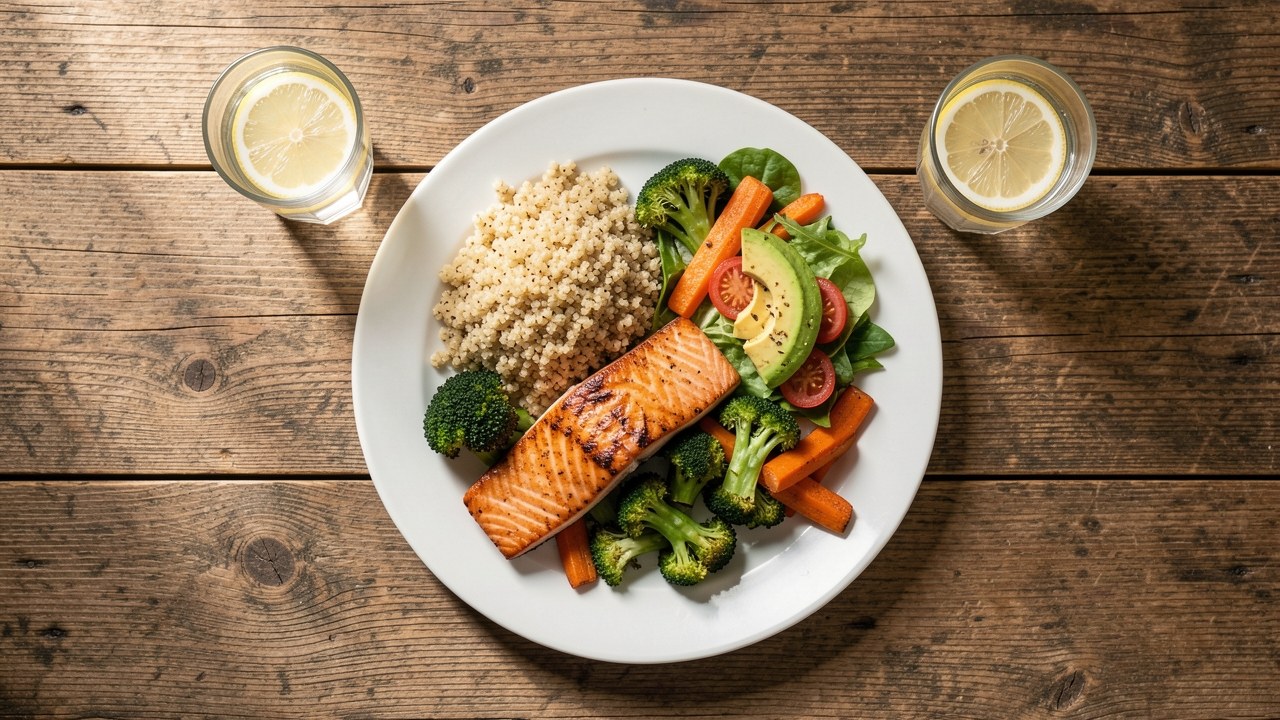
Begin by filling half your plate with colorful vegetables and fruits—they provide essential vitamins, minerals, and fiber. Reserve a quarter for whole grains like quinoa, brown rice, or whole wheat pasta. Use the remaining quarter for a healthy protein, such as grilled chicken, fish, beans, or tofu.
Complete your meal with a drizzle of healthy oil, such as olive oil, and a glass of water. This visual guide helps you build balanced, satisfying meals without complicated calculations.
- Fill half with non-starchy vegetables and fruits.
- Choose whole grains for the grain quarter.
- Select lean proteins or plant-based proteins.
- Add a small amount of healthy fat, like avocado or nuts.
- Drink water with your meal.
Sources: Harvard T.H. Chan School of Public Health, Western Health Advantage
Common Mistakes to Avoid
Even with good intentions, certain habits can derail your healthy eating efforts. Being aware of these common pitfalls helps you stay on track.
One mistake is relying on fad diets that promise quick weight loss but are not sustainable. Instead, focus on adopting a balanced dietary pattern you can maintain long-term. Another mistake is cutting out entire food groups, which can lead to nutrient deficiencies and cravings.
Underestimating portions is also common, especially with high-calorie foods like nuts and oils. Always measure at first to learn what a portion looks like. Finally, ignoring hunger cues and eating out of boredom or stress can lead to overeating. Instead, practice mindful eating by paying attention to why and when you eat.
- Avoid skipping meals or severe calorie restriction, which can backfire.
- Don't eliminate carbs entirely; choose whole grains over refined ones.
- Remember that healthy fats are calorie-dense; enjoy them in moderation.
- Don’t rely only on exercise; diet and physical activity work together.
Sources: Doral Health & Wellness, Harvard T.H. Chan School of Public Health
Frequently asked questions
What is the best diet for weight loss?
Research evidence, such as the Dietary Guidelines for Americans and expert guidance from Harvard, points to a balanced dietary pattern rather than a single 'best' diet. A balanced diet emphasizes vegetables, fruits, whole grains, lean protein, and healthy fats, while limiting added sugars and highly processed foods. The most effective diet is one you can sustain over time, aligns with your preferences, and fits within your calorie needs.
Sources: GoodRx, Harvard T.H. Chan School of Public HealthAre carbohydrates bad for you?
Carbohydrates are not inherently bad; they are your body's main energy source. The key is choosing the right types. Whole grains, vegetables, legumes, and fruits provide fiber, vitamins, and sustained energy. Refined carbs, like white bread and sugary snacks, can spike blood sugar and offer little satiety. The Healthy Eating Plate advises that the type of carbohydrate matters more than the amount. Aim to fill a quarter of your plate with whole grains.
Sources: Harvard T.H. Chan School of Public Health, Western Health AdvantageWhat are healthy fats?
Healthy fats come from plant sources and are essential for hormone production and vitamin absorption. Examples include avocados, nuts, seeds, and oils like olive and canola oil. The Healthy Eating Plate recommends using healthy plant oils in moderation and avoiding partially hydrogenated oils that contain trans fats. While healthy, these fats are calorie-dense, so portion control is important.
Sources: Harvard T.H. Chan School of Public Health, Doral Health & WellnessHow can I control portions?
Portion control can be achieved through simple strategies: use smaller plates and bowls to make portions appear larger. Serve food on your plate rather than bringing dishes to the table. Fill half your plate with vegetables and fruits, which are low in calories and high in fiber, to help you feel full. Pay attention to your hunger and fullness cues; eat slowly and stop when comfortably satisfied.
Sources: Western Health Advantage, Educate Fitness, Doral Health & WellnessSources
- Healthy Eating Plate - The Nutrition Source — Harvard T.H. Chan School of Public Health
- Building a Balanced Plate: Healthy Eating for Every Lifestyle - www.westernhealth.com — Western Health Advantage
- The Role Of A Healthy Diet In Weight Management — Doral Health & Wellness
- What Is a ‘Balanced Diet,’ Anyway? Tips and Examples - GoodRx — GoodRx
- Tips for Portion Control: Your Key to Healthy Eating and Weight Management — Educate Fitness